Guide
What Is a Certificate of Analysis (COA) for Spices — and Why It Matters
7 min read
What a Certificate of Analysis (COA) for spices covers — moisture, microbial, purity and contaminants — how to read one, and why per-batch testing matters.
You will see the phrase "COA per batch" on quality-focused spice brands and quietly wonder whether it means anything or whether it is just another label flourish. It is one of the most meaningful things a spice brand can offer — and one of the least understood. A Certificate of Analysis is the document that turns "trust us, it is pure" into something you can actually verify. This guide explains what a COA covers, how it protects you whether you are cooking at home or buying for a business, how to read one, and why it must be done for every batch rather than once.
What a COA actually is
A Certificate of Analysis is a laboratory document that records the results of tests run on a specific lot of product. For a spice, it is the lab's verdict on what is — and is not — inside that particular batch of powder. Rather than relying on colour, smell or a brand's say-so, a COA gives you measured, documented results against agreed limits.
The key word is specific. A genuine COA is tied to a batch or lot number, so it describes the exact material that ends up in your jar, not an idealised version tested years ago.
What a COA covers
A spice COA typically reports on three broad areas, each protecting you in a different way:
- Moisture — how much water remains in the powder. Too much moisture shortens shelf life and invites spoilage and clumping, so this is a basic quality and safety measure.
- Microbial results — checks for things like total plate count, yeast and mould, and harmful organisms, confirming the spice has been processed and handled hygienically.
- Purity and contaminants — verification that the product is genuinely what it claims to be, with screening for adulterants such as banned dyes, fillers, and contaminants like heavy metals or pesticide residues, against permitted limits.
Together, these cover the things you cannot judge at home: a spice can look and smell perfect and still carry trace contaminants or microbial issues that only a lab can detect.
How a COA protects you — at home and in business
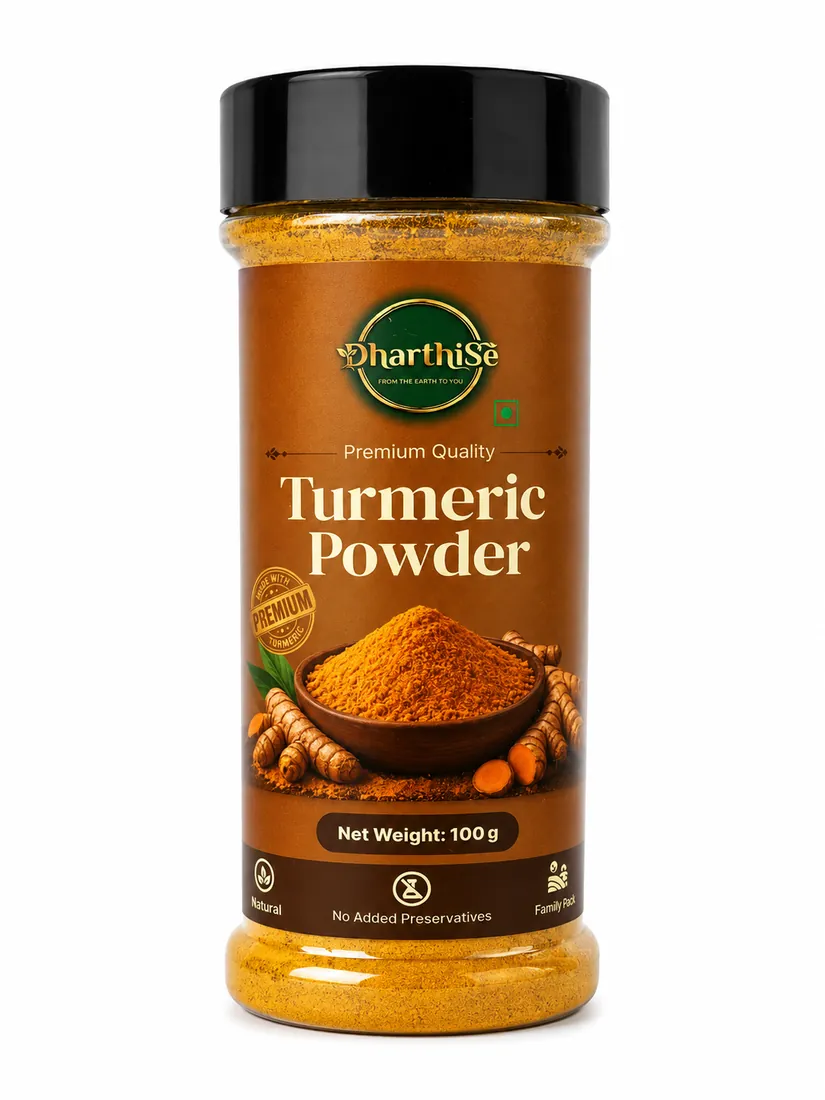
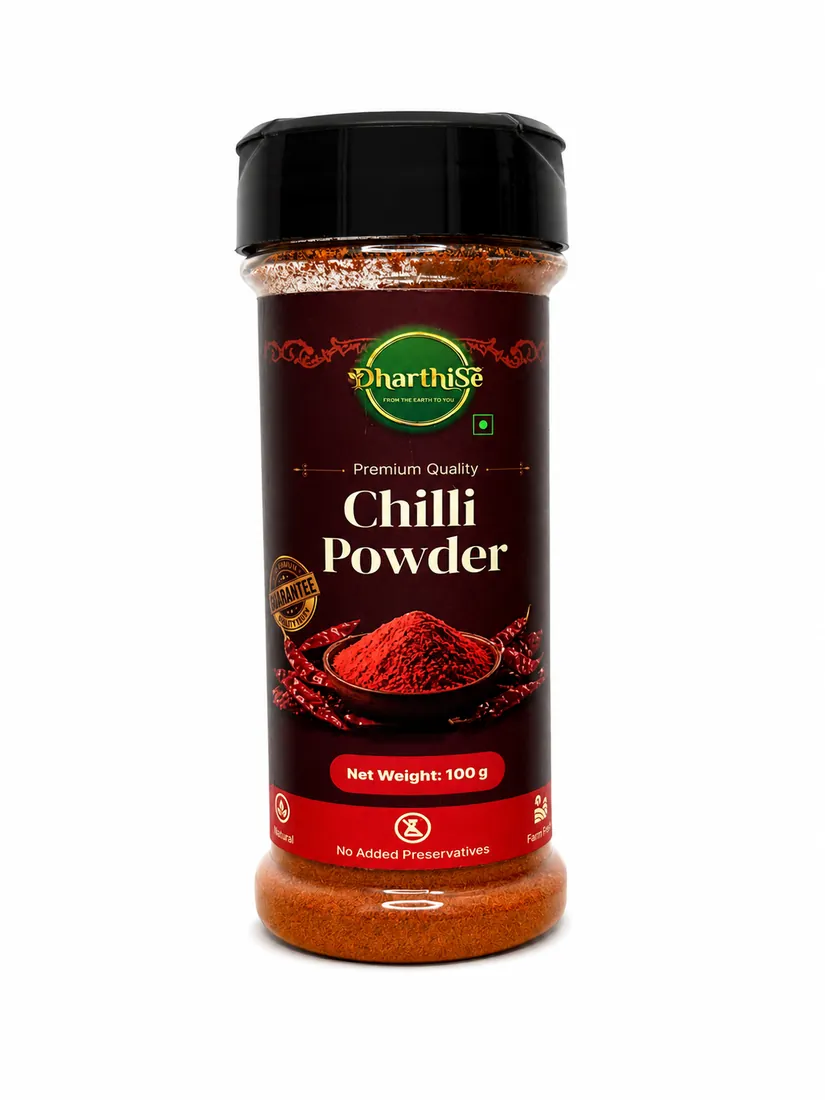
For a home cook, a COA is reassurance you could never get yourself. It is the difference between hoping your haldi is free of metanil yellow or your chilli free of Sudan dye, and having a lab confirm it for the batch you bought. The common at-home tests — covered at /blog/how-to-spot-adulterated-spices — can flag crude fakes, but they cannot detect the dangerous, invisible stuff. A COA can.
For a business buyer — a restaurant, a food brand, an exporter — a COA is operational infrastructure. It is the documentation that lets you stand behind your own product, satisfy your customers and auditors, and keep your supply chain honest. When you buy ingredients with a COA per batch, you inherit proof you can pass downstream rather than risk you have to absorb.
How to read one
A COA can look intimidating, but you only need a few things to use it well:
- Find the batch or lot number — and check it matches the product you are buying. A COA that cannot be tied to your batch is just a generic sheet.
- Check the product and date — confirm it is the right spice and the testing is recent, not years old.
- Look at each parameter against its limit — most COAs show a result alongside a permitted maximum or a "pass/conform" note. You want results within limits.
- Note the testing lab — independent, accredited testing carries more weight than an unnamed in-house claim.
- Watch for what is missing — a COA that omits contaminant or microbial screening is telling you less than it appears to.
Why per-batch matters
This is the heart of it. Spices are an agricultural product: every harvest, every lot, every season is a little different. A single COA from one good batch tells you nothing reliable about the batch that actually arrives at your door months later. Testing once and reusing that certificate is a bit like checking one apple in an orchard and certifying the whole crop.
Per-batch testing closes that gap. It means each lot of powder is verified on its own terms, so the document in front of you describes the material in your jar — not a hopeful average. That is why we test every batch and publish the quality story on our "See the Source" page at /quality, where the goal is traceability you can verify rather than claims you have to trust.
The bottom line
A Certificate of Analysis is the most honest thing a spice brand can hand you: measured proof, tied to a batch, of what is and is not in your spice. It covers the moisture, microbial and purity questions you cannot answer at home, protects both kitchens and businesses, and only means something when it is done for every batch. That is exactly the standard DharthiSe holds itself to — 100% natural spices, no added colour, no preservatives, and a COA per batch — so purity is documented and traceable, from the earth to you.