Guide
Private Label Spices & Dehydrated Powders in India: A Guide for Brands
8 min read
A guide to private label spices and dehydrated powders in India — what white label means, what to look for in a manufacturing partner, and how to start.
Launching a food brand has never been more achievable, and spices and dehydrated powders are one of the most popular places to start — high-frequency, pantry-staple products with room for a brand that stands for quality. But behind every clean-looking spice label is a manufacturing partner doing the unglamorous, decisive work: sourcing, processing, testing and packing. Choosing that partner well is the difference between a brand customers trust and one that quietly fails on consistency. This guide explains what private label means and what to look for in a partner if you are building a spice or dehydrated-powder brand in India.
What private label (and white label) actually means
Private label means a manufacturer produces a product that you sell under your own brand name. You own the brand, the positioning and the customer relationship; the manufacturer supplies the product to an agreed specification. "White label" is often used interchangeably, though it sometimes implies a more generic, ready-made product simply rebranded, whereas private label can involve a recipe, blend or specification developed more closely to your needs.
For spices and dehydrated powders, this typically covers sourcing the raw material, processing and milling it, testing it, and packing it in your packaging — so you can focus on the brand, the channels and the customer while the production is handled by people who do it at scale and to standard.
What to look for in a manufacturing partner
Not all suppliers are equal, and the cheapest quote rarely makes the best partner. These are the things that genuinely matter when you are putting your brand name on someone else's production:
- Consistency, batch to batch — your customers expect the same colour, aroma and flavour every time. A partner who cannot hold consistency across batches will erode your brand quietly but surely.
- A COA per batch — documented lab testing for purity and contaminants on every lot, so you can stand behind your own product and satisfy your customers and auditors. This is non-negotiable for a quality brand.
- Sourcing transparency — a partner who can tell you where a spice is grown and processed (and back it up) lets you build an honest sourcing story instead of a vague one.
- Clean formulations — no added colour, no undisclosed fillers or anti-caking agents. What is on the label should be what is in the jar.
- Sensible MOQs — minimum order quantities that match where your brand actually is, so you are not forced to over-commit before you have traction.
- Packaging support — the practical help to get product into your packaging correctly, with the right fill, sealing and labelling.
- Export-readiness and credentials — a partner who works to recognised standards and credentials gives you room to grow into new markets.
Why standards and credentials matter
When you put your name on a food product, you inherit responsibility for its safety and honesty. A serious manufacturing partner works to recognised food-safety standards and credentials — the kind of framework that covers hygiene, traceability and quality management — so that the documentation behind your product holds up to scrutiny. The credentials DharthiSe works to include FSSAI, Spices Board of India and APEDA registrations, and the ISO 22000, HACCP and Halal frameworks.
These are the standards and credentials we work to, and they matter because they turn "we are careful" into a structured, auditable way of working. For a young brand, partnering with a producer that already operates this way means you build on solid ground rather than discovering gaps after launch.
How DharthiSe supports private-label and bulk
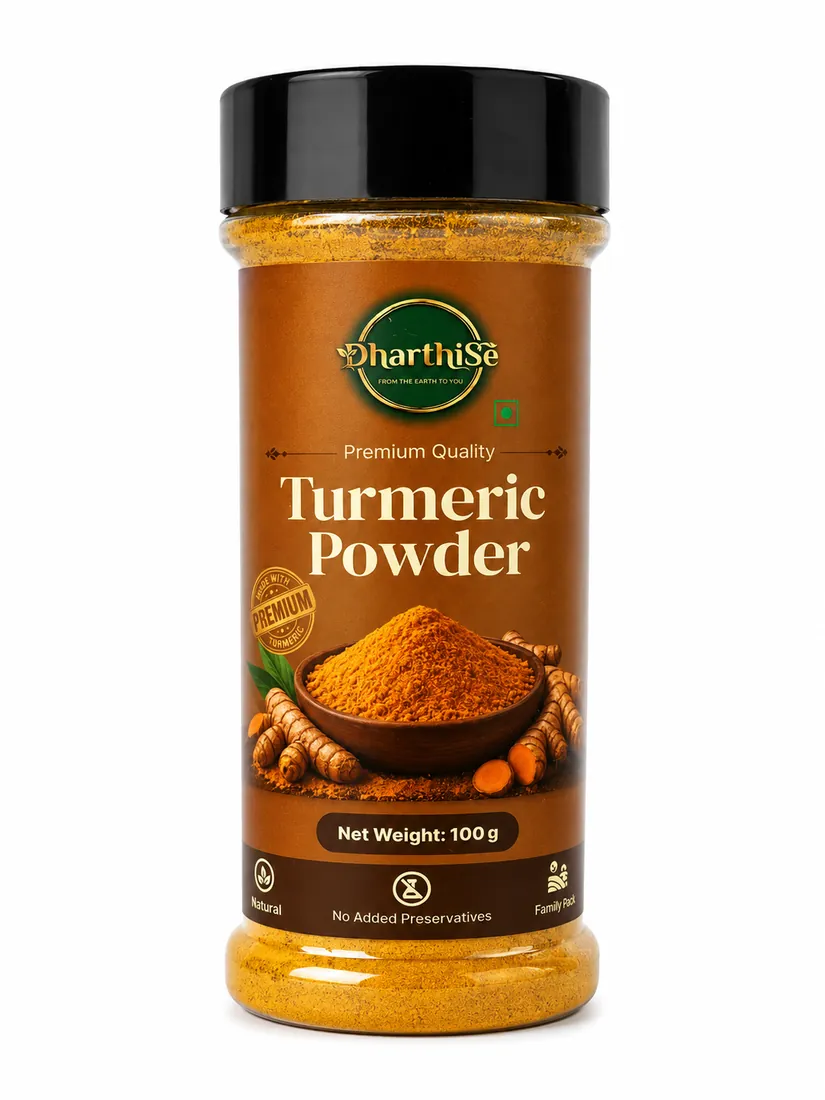
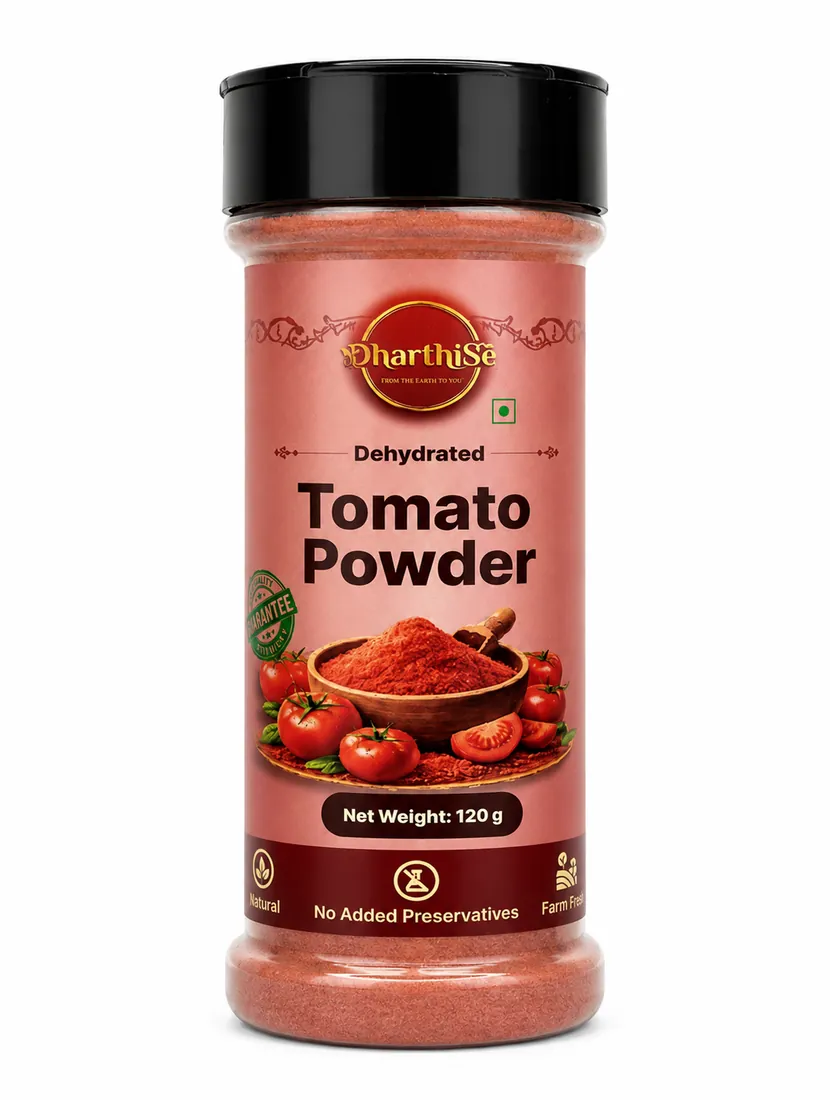
DharthiSe already does the hard part for its own range — sourcing from named growing belts, processing and dehydrating to standard, and testing every batch with a COA — which is exactly the foundation a private-label partner needs. The same natural spices and dehydrated vegetable powders (turmeric, chilli, coriander, tomato, onion, garlic, ginger and blends), with no added colour, no fillers and no preservatives, can support brands building their own label or buying in bulk.
Whether you are an early-stage brand finding your feet or an established business scaling up, the route in is a conversation about what you need. Startups and growing brands can read more at /for-startups, larger buyers at /for-enterprise, and anyone can request a quote at /quote or samples at /samples.
How to get started
A good first step is to be clear about three things: which products you want, the quality bar you are setting (purity, testing, sourcing story), and the volume and packaging you realistically need to begin. From there, samples let you judge the actual product before you commit, and a quote sets out terms. The brands that do this well treat their manufacturing partner as a long-term relationship, not a one-off transaction — because consistency, the thing customers reward most, is built over time.
Build your brand on honest product. Insist on a per-batch COA, clean formulations and transparent sourcing from whoever makes your spices, and you give your label the one thing that keeps customers coming back: trust you can prove, from the earth to you.