Guide
How to Spot Adulterated Spices (and Why a COA Matters)
7 min read
Common spice adulterants, simple at-home checks (and their limits), and why lab testing plus a per-batch COA is the only real protection for your spices.
Spices are concentrated, valuable and sold by colour and aroma — which makes them one of the most adulterated categories in any grocery store. The frustrating part is that the very things we use to judge a spice (a rich colour, a fine powder) are exactly what adulterators fake. This guide walks through the common adulterants, a few simple checks you can do at home, an honest account of what those checks can and cannot tell you, and why a lab-backed Certificate of Analysis is the only real protection.
The common adulterants to know
Different spices attract different fakes, but a handful come up again and again in food-safety reports:
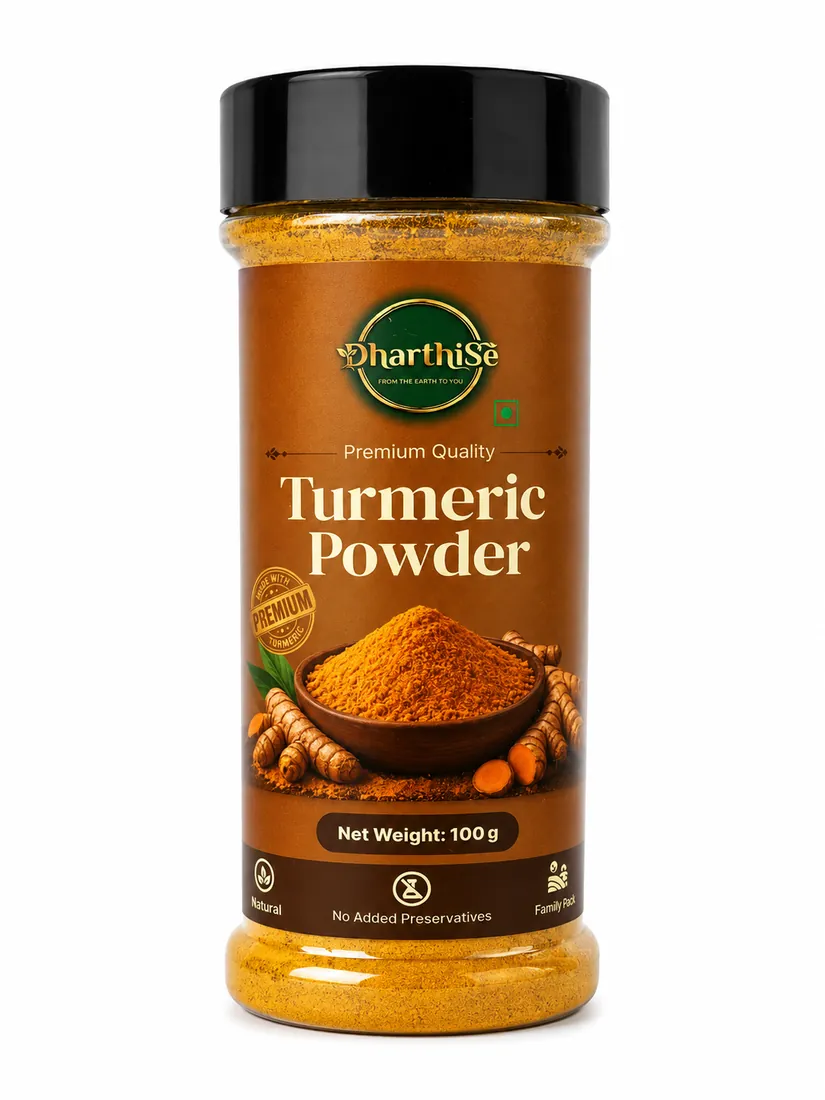
- Turmeric — metanil yellow, a non-food synthetic dye used to fake a rich yellow, and lead chromate, a brightening adulterant that is a serious contaminant. Neither is permitted in food.
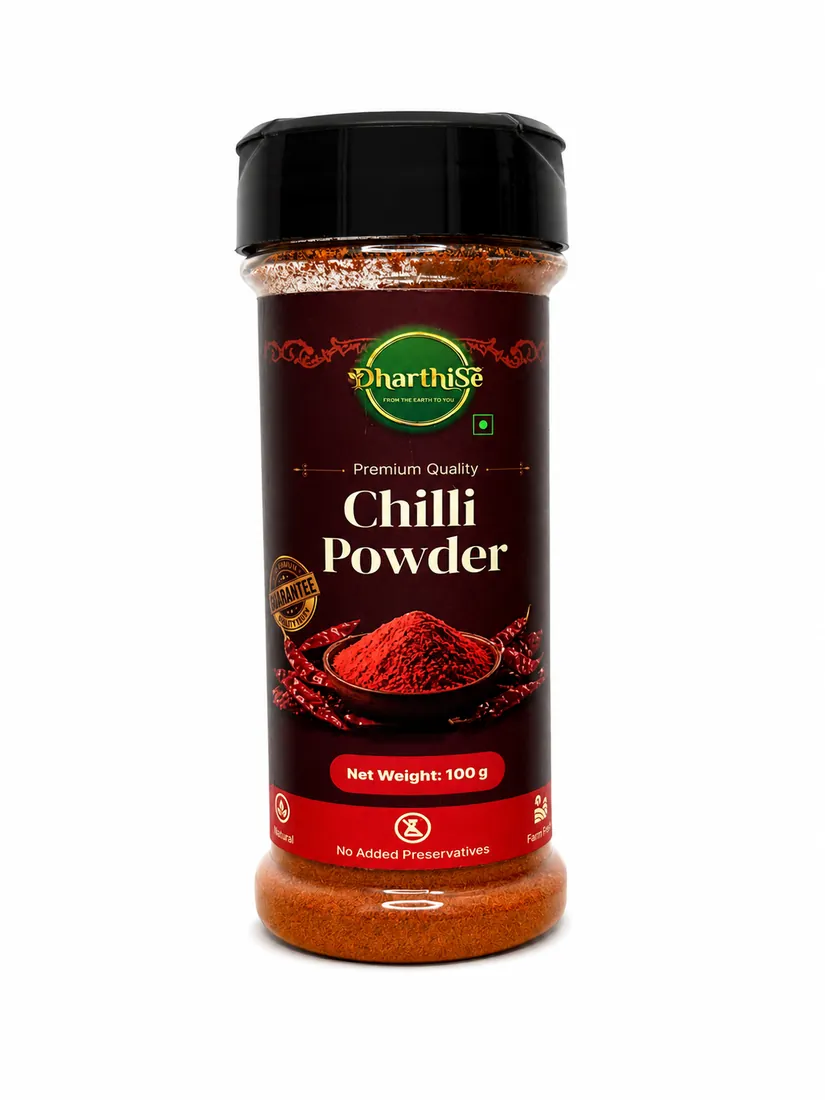
- Red chilli powder — artificial dyes including non-food Sudan dyes to fake deep red, plus cheap bulking fillers like brick powder or finely ground husk.
- Across many ground spices — starch, chalk or other cheap powders to add weight, and added artificial colour to mask weak or diluted product.
- Whole and ground masalas — sometimes padded with spent (already-extracted) material that has had its oils removed, leaving colour but little flavour.
A few simple at-home checks
You can run some quick, indicative checks at home. They are not proof of purity, but they can raise a red flag:
- The water test for chilli — sprinkle a little chilli powder on the surface of a glass of water without stirring. Pure chilli mostly floats and settles slowly; if the water quickly bleeds with streaks of bright colour, or you see gritty sediment, be suspicious of added dye or fillers.
- The turmeric water test — stir a little turmeric into water. Real turmeric gives a pale, cloudy yellow; an intense, glowing yellow that bleeds fast can suggest added colour. (A baking-soda variant is sometimes cited, but it is crude and easy to misread.)
- The cold-water rub — rub a pinch of powder between wet fingers. Excess grittiness can hint at chalk or sand; an unnatural, staining colour on the skin can hint at dye.
- The float test for fillers — many added bulking agents behave differently in water than the genuine spice, so unusual floating or rapid sinking is worth a second look.
The honest caveat: home tests are indicative, not definitive
It is important to be straight about this. Home tests can sometimes catch crude, obvious adulteration, but they cannot reliably detect the dangerous stuff — trace heavy metals like lead, low levels of synthetic dye, or contamination you simply cannot see. A spice can pass every kitchen test and still carry contaminants, and a genuine spice can occasionally "fail" a crude test for harmless reasons. Treat home checks as a first sniff, never as a verdict.
Why lab testing and a COA are the real protection
The dependable safeguard is laboratory testing and a Certificate of Analysis (COA) for the specific batch you are buying. A COA is a lab document that confirms what is — and is not — in the spice: it can screen for banned dyes, check for contaminants, and verify the product is what it claims to be. It is the difference between a brand telling you a spice is pure and a brand showing you, batch by batch.
This is why we test every batch and publish the quality story rather than ask you to judge purity by colour. You can read the batch-level details on our "See the Source" quality page, where the point is traceability you can verify rather than claims you have to trust.
What to look for in a trustworthy brand
- A per-batch COA, not just a vague "100% pure" label — real testing, documented per batch.
- Honest origin and processing — where the spice is grown and processed, named plainly.
- No added colour and no fillers, stated clearly, with natural colour that is not suspiciously neon-bright.
- A clean ingredient list — ideally just the spice, with no undisclosed anti-caking agents or additives.
- Willingness to show their working — brands confident in purity tend to make their quality information easy to find.
The bottom line
You should not have to be a food chemist to trust what is in your dal or your haldi doodh. A few home checks can flag the obvious fakes, but the genuine protection is lab testing and a per-batch COA. That is the standard DharthiSe holds itself to — 100% natural spices, no added colour, no preservatives, and a COA per batch — so the purity is documented and traceable, from the earth to you.