Guide
"100% Pure" Is a Claim. A Batch Number Is Evidence.
7 min read
Why asking whether a spice brand is pure is the wrong question, what the batch number and ingredient line on a jar tell you, and how to check a pack in a minute.
In April 2024 food regulators in Hong Kong and Singapore pulled spice mixes made by two of India's biggest and oldest masala brands off the shelves, citing ethylene oxide, a fumigant that is not permitted in food there. FSSAI ordered sampling across the country in response. For a lot of families the news landed badly, because these were the brands their parents had trusted for decades.
The reaction in most homes was to ask which brand is safe now. People switched to another well-known name, or to the loose masala from the local chakki, or to whatever a relative recommended. We understand the instinct. We also think the question is the wrong one, and that it keeps people exposed to the same risk.
Why "which brand is pure?" has no answer
A brand does not make one continuous river of turmeric. It makes batches. Each batch starts as a specific lot of raw spice, bought from specific farms or a specific mandi in a specific season, dried and ground on specific days. One lot can be clean and the next can carry a problem from a field, a warehouse or a fumigation step that the first never saw.
So purity belongs to a batch. A company with a spotless fifty-year record can ship one bad lot, and a company you have never heard of can ship a perfectly clean one. When a label says "100% pure" it is describing an intention that covers every jar the company will ever sell. It cannot tell you anything about the jar in your hand.
Professional buyers know this, which is why none of them buy on reputation. An importer or a food manufacturer asks three things about every consignment: which lot is this, what was it tested for, and can I see the report. The answers come on paper, tied to a lot number.
The three things on a jar that carry information
Most of what is printed on the front of a spice pack is advertising. Three small pieces of text, usually on the back or the base, are the parts that can be checked:
- The batch or lot number. This is the link between your jar and a production record. If a brand cannot tell you anything about a batch number you read out to them, the number is decoration.
- The manufacturing and best-before dates. A ground spice loses aroma with time. A jar ground two months ago and a jar ground twenty months ago are different products, even with the same label.
- The ingredient line. This is a legal declaration, and it is the most honest sentence on the pack. For a single spice it should name that spice. If it lists anything else, such as a permitted anti-caking agent or salt, the brand is telling you so, which is what it is supposed to do.
What a test report covers, and what it does not
A Certificate of Analysis is a lab report for one batch. It records what that batch was tested for and what the results were, typically moisture, microbial load and purity parameters, and for some spices a quality marker such as curcumin in turmeric.
Two cautions are worth knowing. A COA only speaks for the tests listed on it, so it is fair to ask what was tested. And a single report shown on a website for years tells you about one old batch. What you want is a report for each batch, issued as a routine.
How we handle this at DharthiSe
We built our process around the batch because that is where the truth is. Every batch we pack is lab-tested for hygiene, moisture and purity before it is cleared, and it carries a lot code that ties it back to its source and its results.
You can check this yourself. Scan the QR code on a DharthiSe pack, or go to /verify and enter the last four digits of the batch number. You will see the product, where that batch was grown, how it was processed, when it was manufactured and packed, and its best-before date. If a pack is past its date, the page says so.
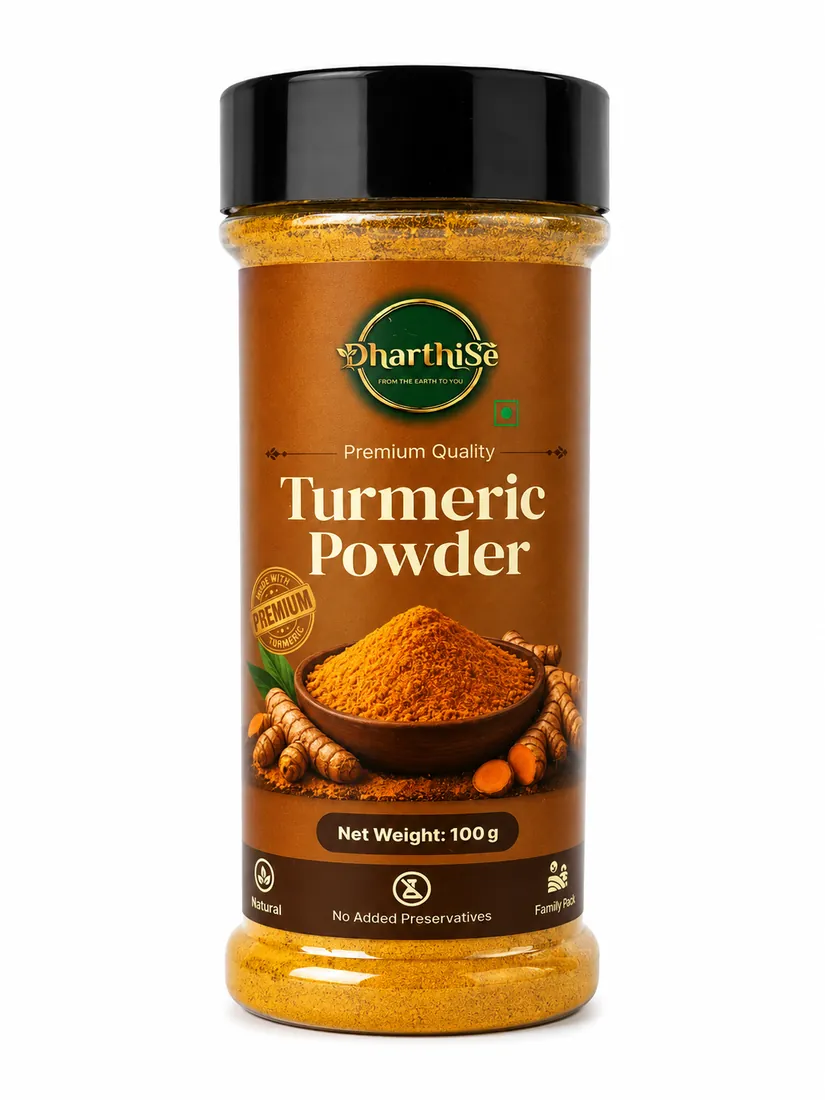
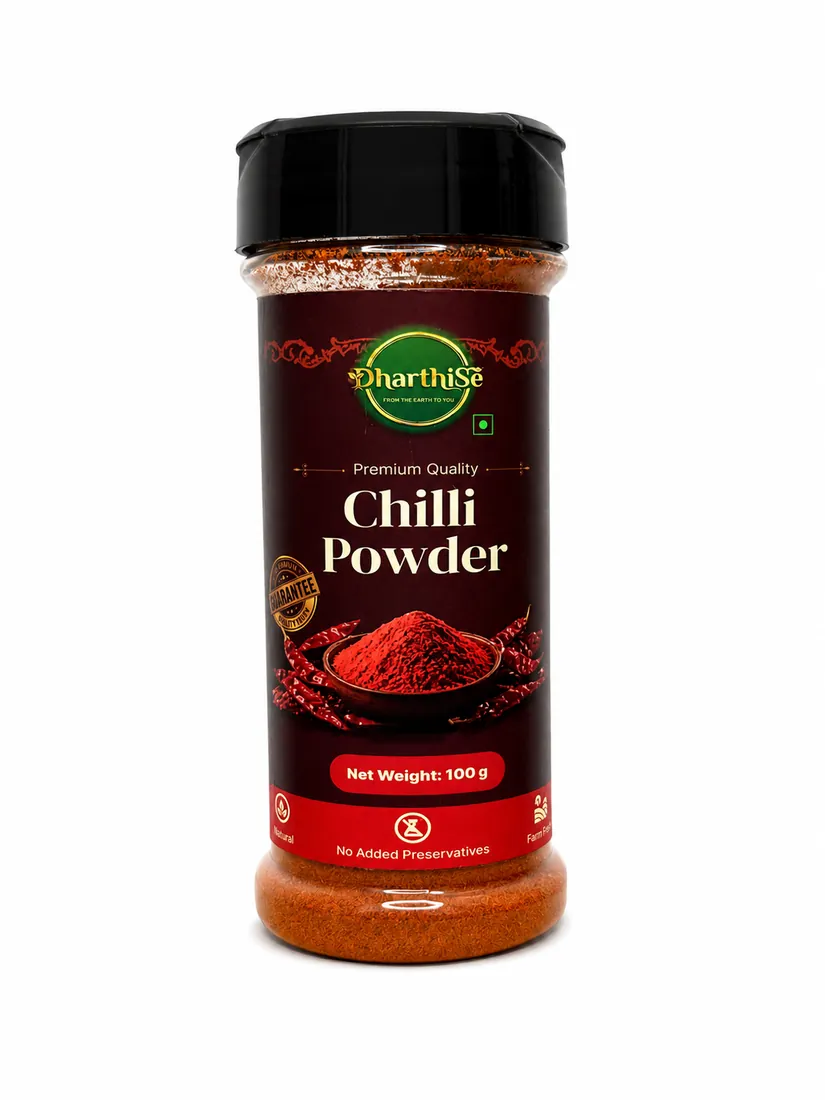
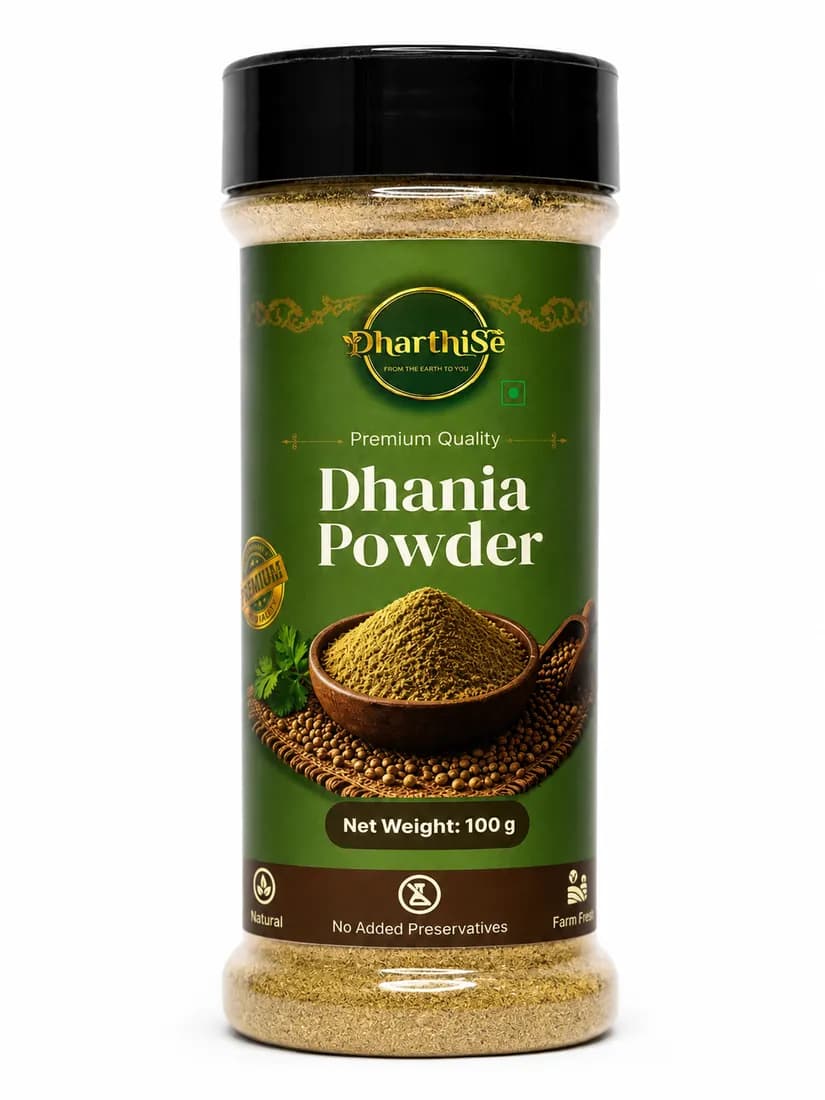
Our ingredient lines are written the same way. Our turmeric, red chilli and coriander powders are single-ingredient. Our dehydrated tomato, onion, garlic and ginger powders declare a small amount of an anti-caking agent (INS 551), because fine vegetable powder absorbs moisture and sets hard without one. We would sooner print that than leave you to find it. None of these powders has added colour.
A one-minute check for any jar in your kitchen
- Find the batch number. If there is none, you have learnt something already.
- Read the manufacturing date and work out how old the spice is today.
- Read the ingredient line and see whether it matches the claims on the front.
- Look for a way to check the batch: a QR code, a lookup page, or a customer care number that can answer a question about that lot.
- Ask the brand for the test report for that batch. A serious one will have it.
Try it on a jar of ours and a jar of anyone else's. The brands worth staying with are the ones whose answers get more specific the more you ask. DharthiSe is available on this site and on Amazon and Flipkart. From the earth to you.