Guide
Starting a Spice Brand? Your First Batch Isn't the Risk. Your Second Is.
7 min read
Founders choosing a private label spice supplier fixate on MOQ and price per kg. The thing that ends young food brands is batch drift. How to specify against it.
Founders launching a spice or seasoning brand tend to ask a supplier the same two questions in the first five minutes: what is your minimum order, and what is your price per kilo. They are fair questions. Cash is tight at the start and nobody wants a storeroom full of unsold haldi.
They are also the two numbers least likely to decide whether the brand is alive in eighteen months. Young food brands rarely fail because they paid ₹15 a kilo too much.
How it usually goes wrong
The pattern is common enough to describe in advance. The founder collects samples from four suppliers, picks the best-looking one at the best price, and launches. The first batch matches the sample. Early customers like it, reviews come in, and a few hundred people reorder.
Then the second production batch arrives. The chilli is a shade more orange and noticeably milder. The garlic powder is coarser and clumps in the pouch. Nothing is unsafe and the supplier has not cheated anyone. The raw material came from a different lot in a different month, and nobody had written down what "the same" was supposed to mean.
The founder cannot see the difference on an invoice. The customer who bought the product because of the first jar sees it immediately, and in a category where trust is the whole product, a three-star review saying "not like last time" costs more than any saving on price per kilo ever returned.
What you are really buying from a supplier
It helps to change what you think the purchase is. You are not buying 110 kilos of chilli powder. You are buying the ability to get the same chilli powder again, in March and in September, from a crop that changes with every harvest.
Spices are agricultural. Heat, colour, oil content and moisture move with region, season and weather. A supplier produces consistency through work: selecting lots, blending between them, controlling the drying and the grind, and testing the result against a target. That work is what separates a manufacturer from a trader who fills your bags from whatever the market offered that week.
Seen this way, the cheapest quote is often the one with that work left out, and a sample tells you much less than it seems to. A sample proves a supplier could make the product once. Your business depends on whether they can make it every time.
Write the specification before you place the order
The fix costs nothing and takes an afternoon. Before the first purchase order, agree a written specification for each product and make every future batch answerable to it. At a minimum it should cover:
- Identity and origin: the variety and growing region, for example Guntur chilli, so the raw material cannot be swapped for something cheaper.
- The quality marker for that spice, with a range. Colour value and heat for chilli, curcumin for turmeric, volatile oil for coriander and cumin.
- Particle size, as a mesh size. It governs how the powder flows, dissolves and feels in the mouth, and it is the drift customers notice first.
- Moisture, with a maximum. It drives shelf life and caking.
- Microbial limits and any contaminant tests your sales channel or export market requires.
- The full ingredient declaration, including any anti-caking agent, exactly as it will appear on your label.
- Pack format, labelling and shelf life from the date of manufacture.
Then ask for a Certificate of Analysis with every batch, and read it against the specification when the goods arrive. A supplier who is comfortable with this is telling you how they run their plant. One who goes quiet has told you something too.
Questions that sort suppliers quickly
- Can I see COAs from your last three batches of this product, with dates? Three reports show you the spread. One shows you nothing.
- What happens when a batch misses the specification?
- Do you keep retained samples of each batch, and for how long?
- Is my reorder made to a saved specification, or matched by eye to the last lot?
- Can a single pack be traced back to its batch and source?
How DharthiSe works with brands
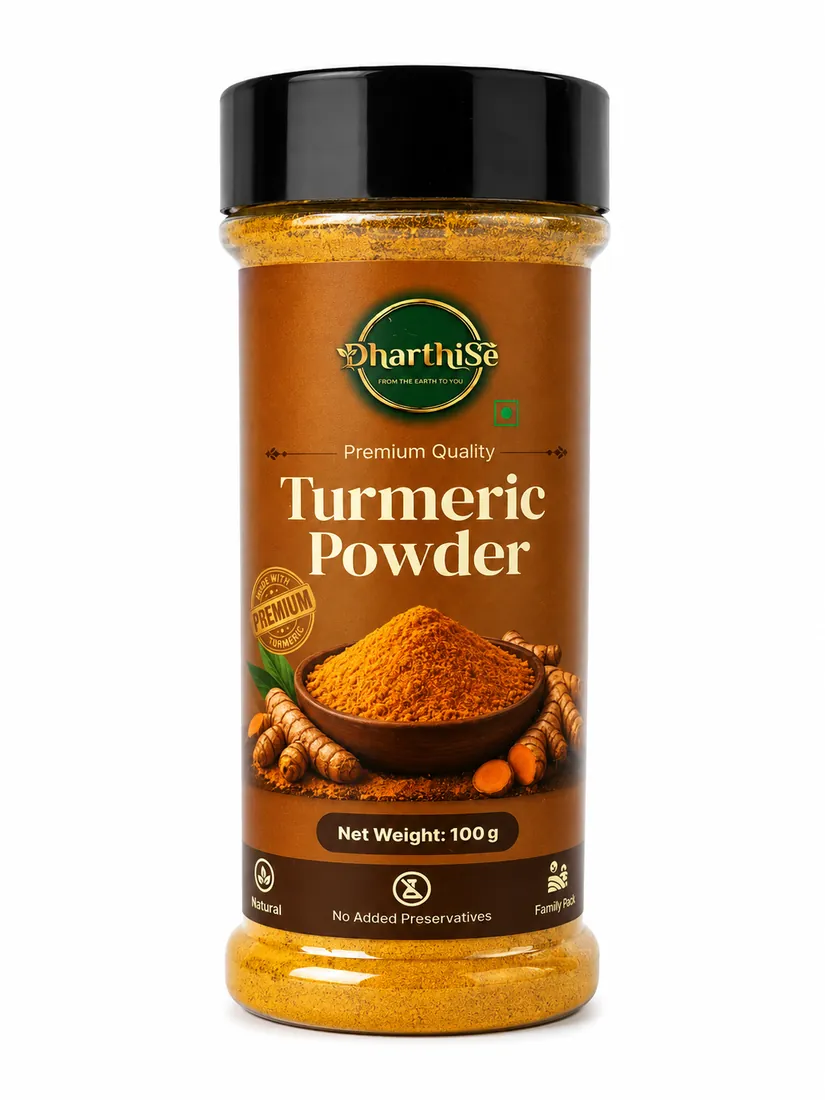
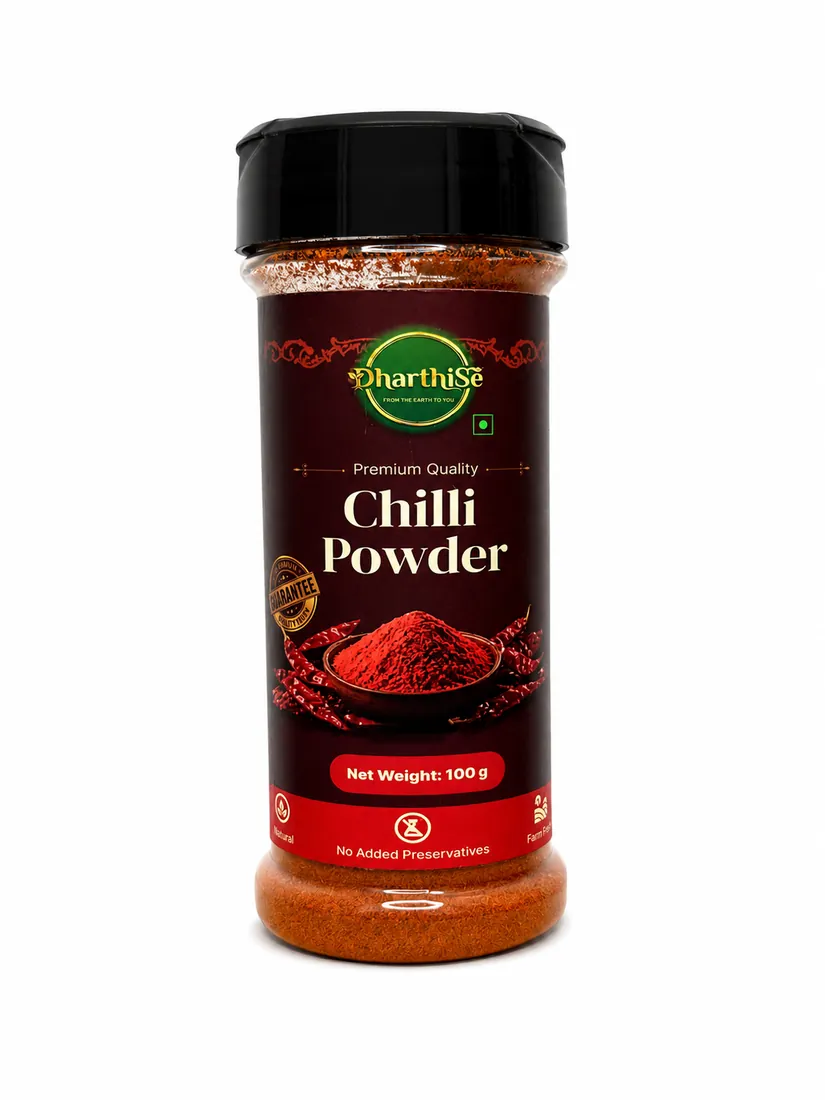
We supply natural spices and dehydrated vegetable powders in bulk and under private label. Our typical minimum is around 110 kg per product, and you can mix products in one shipment, which keeps a first order manageable for a new brand. Typical lead time is five to seven days from a confirmed order.
On consistency, the process is the one described above. We send free samples so you can test in your own kitchen or lab before committing. We agree the specification with you, every production batch ships with its own Certificate of Analysis covering moisture, microbial load and purity along with a spec sheet and allergen declaration, and reorders are made from the saved specification. Each batch carries a lot code that traces to its source.
We are FSSAI-licensed, and we will tell you plainly what a product contains. Our dehydrated vegetable powders, for instance, include a declared anti-caking agent (INS 551), and that needs to be on your label as well as ours.
If you are planning a launch, start at /samples, or send your product list and quantities through /quote. Bring your specification if you have one. If you do not, we will help you write it, because it is the document your second batch depends on. From the earth to you.