Guide
Importing Indian Spices & Dehydrated Powders to the USA: A Buyer's Guide
7 min read
A US importer's guide to sourcing Indian spices and dehydrated vegetable powders — spec consistency, COA per batch, traceability, MOQ, private label and lead times.
India grows and processes a large share of the world's spices, so for a US food brand, co-packer or importer, the question is rarely whether to source from India — it is how to source well. The difference between a smooth import programme and a stressful one usually comes down to two things: a supplier who can hold a tight, repeatable specification, and a supplier who can put the right paperwork in the box, batch after batch. This guide is written for US buyers evaluating an Indian spice and dehydrated-powder supplier, and explains what to look for and how DharthiSe is set up to support you.
Why US importers and manufacturers source from India
India is the natural origin for turmeric, chilli, ginger, coriander, cumin and a growing range of dehydrated vegetable powders such as tomato, garlic and onion. For a US buyer, sourcing close to the origin usually means better value, fresher crop-year stock, and direct access to the growing belts — Lakadong turmeric from Meghalaya, Guntur chilli from Andhra Pradesh, Mahuva-dehydrated garlic from Gujarat — rather than buying through several layers of intermediaries.
The catch is that origin alone is not a guarantee of quality. The US market rewards consistency and documentation, so the supplier you choose matters as much as the country you buy from. A good Indian partner gives you the origin advantage and the discipline of a controlled, documented process.
What US food importers generally look for
US food importers and the manufacturers they supply typically build their buying around a few non-negotiables. These are general buyer-education points — every importer should confirm their own obligations with their broker or regulatory counsel — but the pattern is consistent:
- A consistent, written specification — agreed particle size/mesh, colour, moisture, and sensory profile so every shipment matches the last and slots into your formulation without reformulating.
- A Certificate of Analysis (COA) per batch — lab results covering parameters such as moisture, microbial counts and purity, so each lot can be checked against your spec before it enters your supply chain.
- Traceability — the ability to trace a lot back to its origin and processing, which underpins recall-readiness and supplier-verification programmes.
- Food-safety documentation — many US importers operate a Foreign Supplier Verification Program (FSVP) and need to give prior notice of food shipments; in practice that means they expect suppliers to provide spec sheets, COAs, origin and allergen declarations and other supporting records on request.
- Stable, repeatable supply — crop-year transparency and the ability to plan volumes ahead, so your production line is not exposed to surprise gaps.
It is worth being precise here: FSVP and prior-notice obligations sit with the US importer of record, not with the overseas supplier. What a strong supplier does is make those obligations easy to meet by handing over clean, complete documentation — rather than leaving you to chase it.
MOQ, private label and lead times
For most US programmes the practical questions are minimum order quantity, packaging format and lead time. As a general rule, bulk export typically moves in larger case or sack formats, while retail-ready and private-label runs depend on the pack size and label you need. Lead times reflect crop availability, the testing cycle and shipping, so the earlier you share forecasts, the tighter the planning.
Private label is often the real reason a US brand sources directly from India: you get your own pack, your own label and your own spec, made to order, instead of reselling someone else's product. DharthiSe supplies both bulk and private label, so you can start with bulk ingredient supply and grow into a branded line, or begin with private label from the outset.
How DharthiSe supports US buyers
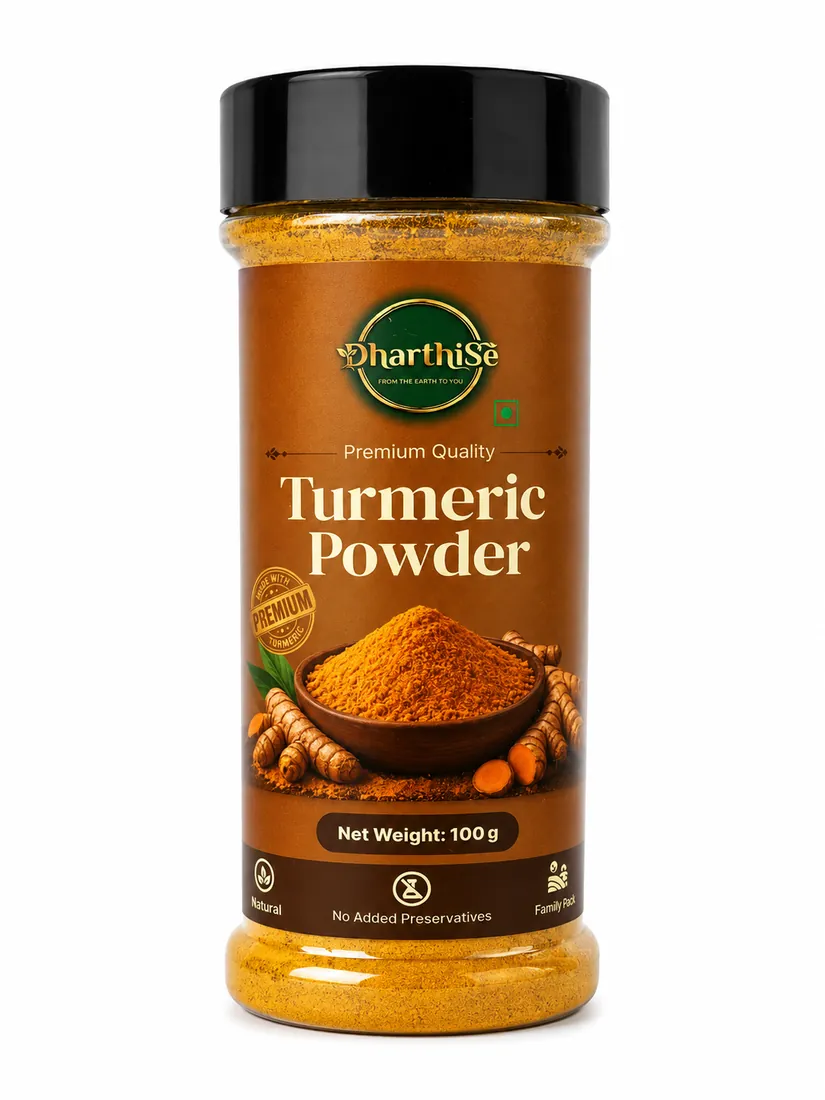
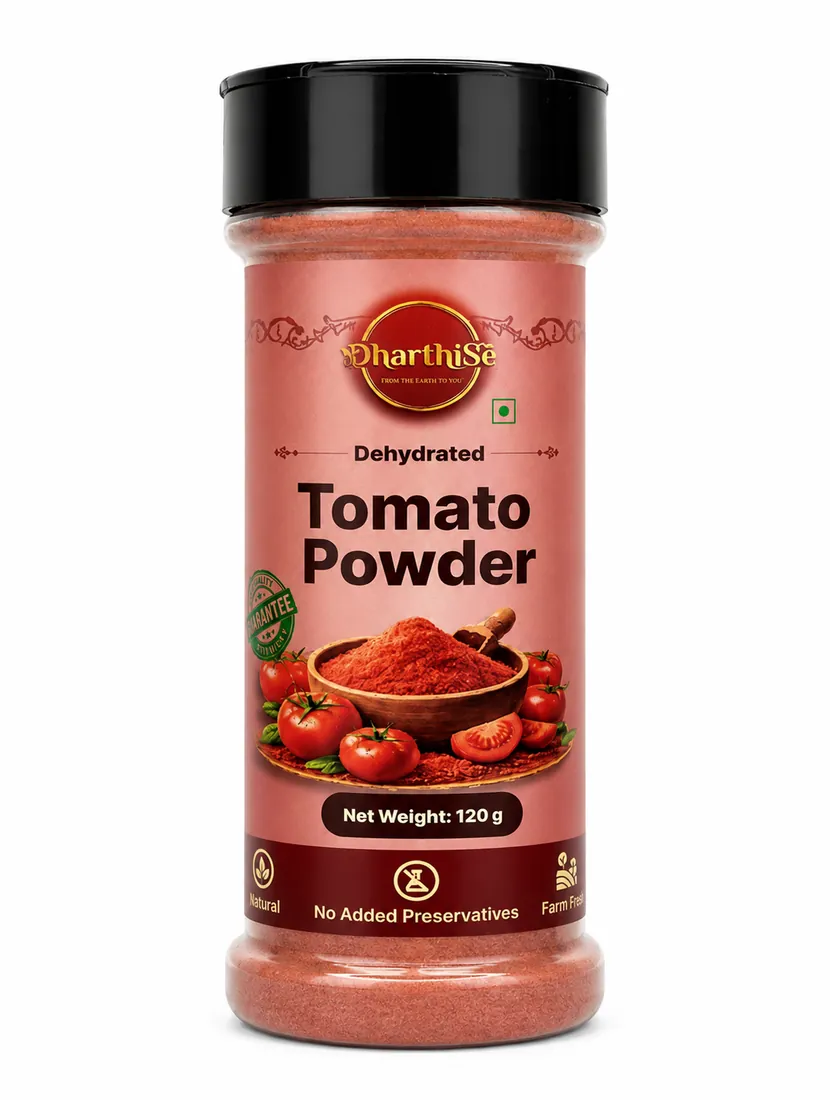
DharthiSe is an India-based maker and bulk/private-label supplier of natural spices and dehydrated vegetable powders, set up to work to recognised standards. We are FSSAI-licensed in India and align our process with frameworks such as the Spices Board of India, APEDA registration for export, and the disciplines behind ISO 22000 and HACCP — and we issue a Certificate of Analysis per batch.
For a US buyer, that translates into the documentation your programme needs: per-batch COAs, written spec sheets, and origin and allergen declarations to support your own FSVP and import paperwork. We are careful not to overstate this — we do not claim a specific US regulatory approval on your behalf; we provide the export-ready records and consistent product that make your side of the compliance work straightforward.
If you are evaluating an Indian supplier for the US market, the best next step is a sample against your spec. You can request documentation and pricing on our /for-buyers and /quote pages, talk to us about larger programmes via /for-enterprise, and order evaluation samples at /samples. From the earth to you — and now, to your line in the US.