Guide
Sourcing Indian Spices for Qatar: Bulk & Private Label
6 min read
A guide to sourcing Indian spices and dehydrated powders for Qatar — GCC and Halal expectations, HoReCa and retail demand, and bulk plus private-label supply.
Qatar is a small market with an outsized appetite for Indian spices. A large South Asian community, a fast-growing hospitality sector and a steady flow of imported food make it a dependable destination for turmeric, chilli, cumin and dehydrated vegetable powders. For a Qatari importer, distributor or own-brand retailer, the opportunity is clear — the work is in sourcing direct from the Indian origin with the right documentation. This guide covers the Qatar and GCC landscape, what importers typically need, and how bulk and private-label supply fits in.
The Qatar & GCC market
Qatar imports the overwhelming majority of its food, and spices are no exception. Demand is driven by a large Indian, Pakistani, Bangladeshi and Sri Lankan population that cooks with these spices every day, alongside a hospitality and catering sector — hotels, restaurants and large-scale caterers — that buys in volume. Continued investment in tourism, events and hospitality keeps that catering demand growing, and with it the appetite for reliable, high-quality bulk spice supply. Because Qatar sits within the GCC, products and standards often align with the wider Gulf, which means a supply set up for the UAE or Saudi market usually translates well to Qatar.
For buyers, the practical advantage of sourcing direct from India is the same as elsewhere in the Gulf: fresher crop-year stock, better value than multi-layered re-export, and direct access to specific origins and grades. Buying at the origin also means you can specify exactly what you want — a particular turmeric source, a Guntur chilli with the heat and colour your customers expect, or a dehydrated powder ground to your mesh — rather than accepting whatever a re-exporter happens to be carrying that season.
Halal and general GCC standards
As across the Gulf, Halal is a baseline expectation in Qatar. Single-ingredient spices and plain dehydrated vegetable powders are inherently plant-based, but importers and authorities still expect Halal assurance and clean documentation as a normal part of trade, especially for branded retail. Beyond Halal, GCC markets generally expect compliant labelling and product documentation that supports the importer's registration and clearance.
These obligations rest with the Qatari importer, who should confirm current requirements with their local agent or the relevant authority. As general buyer education, the recurring theme is the same — a supplier who can provide Halal assurance, a per-batch COA, accurate labelling information, and origin and allergen declarations makes the importer's compliance far simpler.
HoReCa and retail demand
Qatar's demand splits naturally into two channels, and a good supplier serves both:
- HoReCa and catering — hotels, restaurants and caterers buying spices and dehydrated powders in bulk for consistent, high-volume kitchens, where reliability and a steady spec matter more than packaging.
- Retail and grocery — own-brand and distributed packs on the shelf for home cooks, where labelling, presentation and Halal credibility drive the sale.
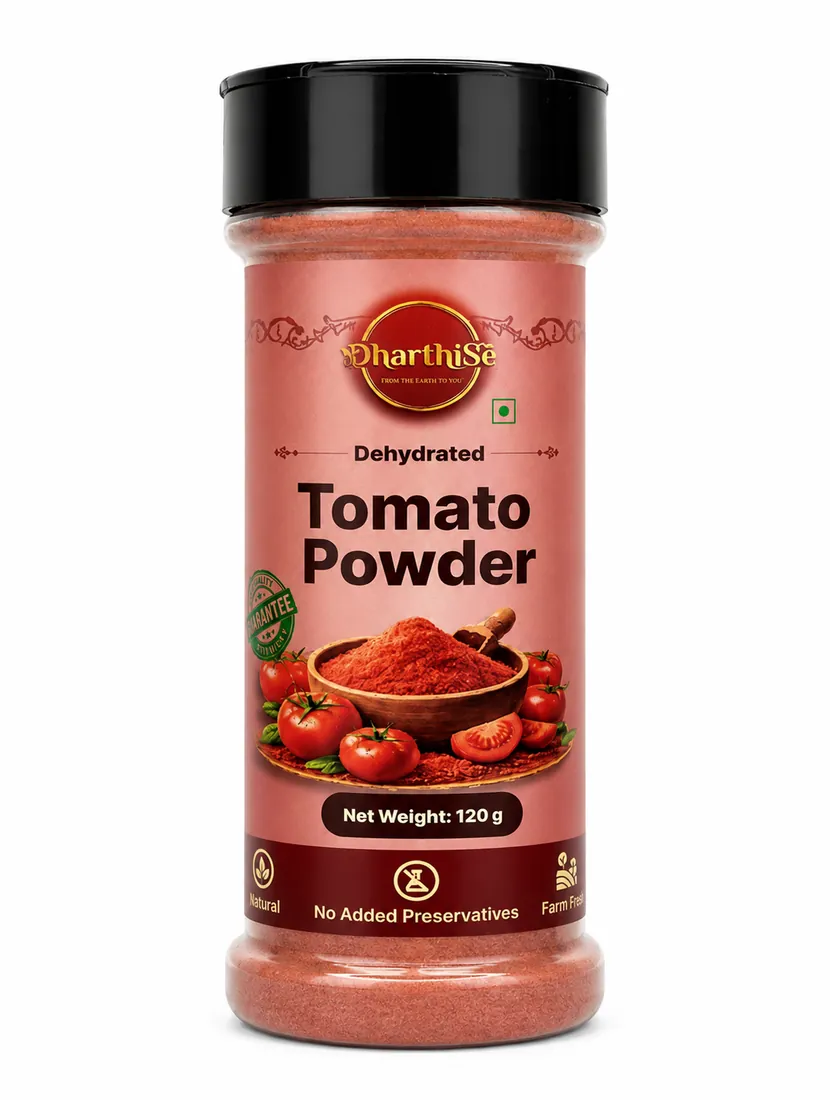
- Food manufacturing — local processors using bulk ingredients such as tomato, garlic and onion powder, where COA-backed consistency keeps their own formulations stable.
How DharthiSe supplies Qatar: bulk + private label
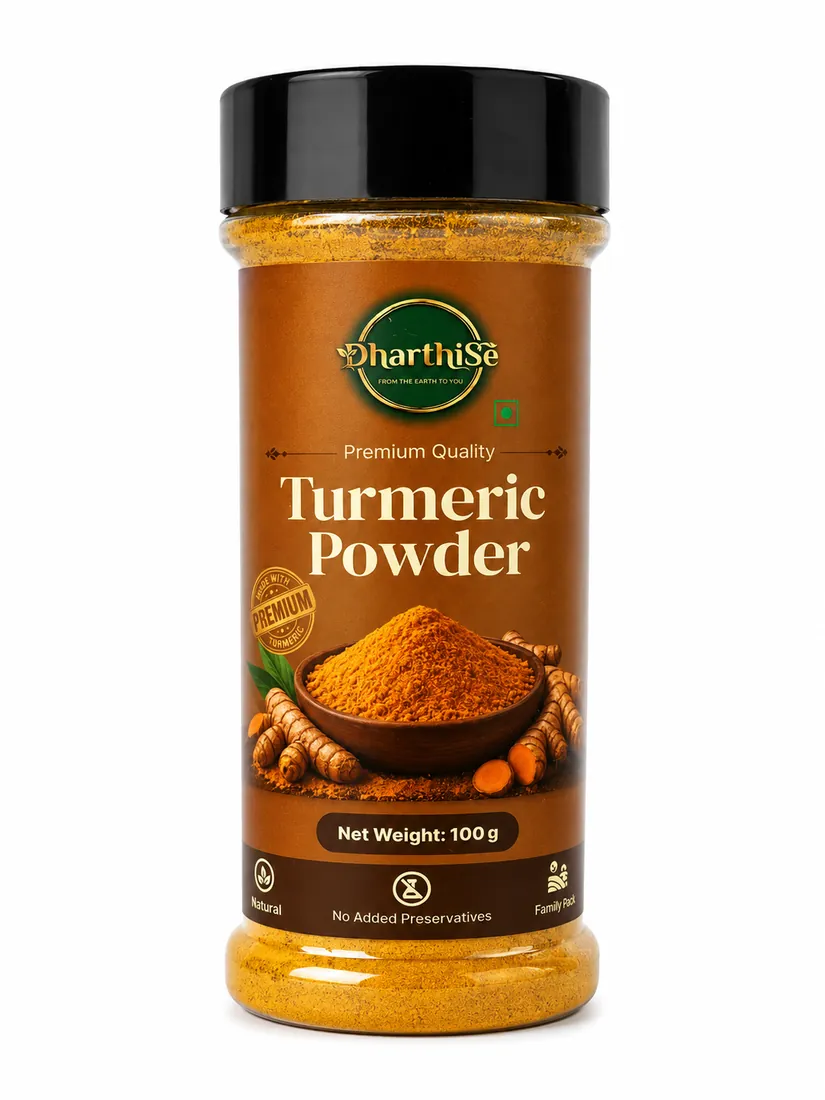
DharthiSe is an India-based maker and bulk/private-label supplier of natural spices and dehydrated vegetable powders, working to recognised standards. We are FSSAI-licensed in India, align our process with the Spices Board of India, APEDA export registration and the disciplines of ISO 22000 and HACCP, treat Halal as part of our quality framework, and issue a Certificate of Analysis per batch.
For a Qatari buyer that means flexible supply with the paperwork to match: bulk formats for HoReCa and manufacturing, and private label for retail brands — each backed by per-batch COAs, spec sheets, and origin and allergen declarations that support your import and registration documentation. Because Qatar aligns closely with the wider GCC, a programme set up to our standard typically carries across to your Saudi, UAE or Omani business with little rework, which makes it easier to grow a single supply relationship across several Gulf markets. We are careful not to overstate our position: we do not claim a specific Qatari or GCC import approval on your behalf; we provide the credentials we work to and the records that make compliance straightforward.
Whether you are a distributor placing an own-brand on Qatari shelves, a caterer who needs a dependable bulk spice every week, or a manufacturer who cannot afford a wandering ingredient spec, the answer is the same: a consistent product with the documentation behind it. If you are building a spice line for Qatar, start with a sample against your spec. Request documentation and pricing on /for-buyers and /quote, discuss larger HoReCa or manufacturing programmes via /for-enterprise, and order evaluation samples at /samples. From the earth to you — and onto Qatar's tables.