Guide
Exporting Indian Spices to Europe: Standards & Quality
8 min read
What EU importers expect from Indian spice suppliers — pesticide MRLs, aflatoxins, contaminant controls, traceability — and how lab testing and a COA support them.
Europe is, by common consent, the most demanding food-safety market in the world — and for spices in particular, the bar is high and the testing is unforgiving. For an EU importer, that is exactly why the choice of supplier matters so much: the regulatory obligations sit with you as the importer, but you can only meet them if your supplier ships clean product with the testing and documentation to prove it. This guide explains, as buyer education, what the EU expects of spices, why lab testing and a COA are central, and how an India-based supplier supports a European programme.
The EU's food-safety expectations
The EU regulates imported spices tightly, and importers must ensure the products they bring in meet those rules. Without standing in for legal advice, the recurring areas of scrutiny that every EU spice buyer should understand are:
- Pesticide residues (MRLs) — the EU sets maximum residue levels for pesticides, and spices are tested against them. Residues above the limit lead to rejection, so crop and supplier practices upstream matter.
- Aflatoxins and mycotoxins — naturally occurring contaminants linked to storage and drying conditions, with strict limits for spices such as chilli and certain ground products; testing is routine.
- Illegal dyes and contaminants — controls target adulterants such as Sudan dyes in chilli and other unauthorised colours, which are not permitted in food.
- Microbiological safety — limits and controls around microbial load, with treatment and handling expected to keep products within spec.
- Traceability — the EU expects food to be traceable through the chain, so importers need suppliers who can trace a lot back to its origin and processing.
The key point for buyers: these are obligations the EU importer must satisfy. A strong supplier does not magically grant EU clearance — it gives you product that is made and tested to stand up to these checks, plus the documentation to evidence it.
Why lab testing and a COA matter to EU importers
Given how much of the EU framework is about what you cannot see — residues, aflatoxins, trace dyes — the only credible protection is laboratory testing and a Certificate of Analysis for the specific batch. A COA turns "we believe it is clean" into documented results an importer can check against the limits before product enters the European chain.
This is also where quality-management frameworks earn their place. The disciplines behind ISO 22000 and HACCP — hazard analysis, controlled drying and storage, consistent processing — are precisely what keep aflatoxins, contamination and residue risks down at source, so the COA tends to confirm good practice rather than catch a problem after the fact. For an EU buyer, a supplier who works to these frameworks and tests per batch is far easier to onboard than one who tests reactively.
There is a commercial dimension to this too. EU border rejections and increased-control checks are expensive and slow, and a single flagged consignment can disrupt a whole supply plan. A supplier whose product is built to clear these checks the first time — rather than one whose lots occasionally need re-testing or treatment — protects your timelines as much as your compliance. Seen that way, rigorous testing and documentation are not overhead; they are what keeps a European programme predictable.
How DharthiSe supports European buyers
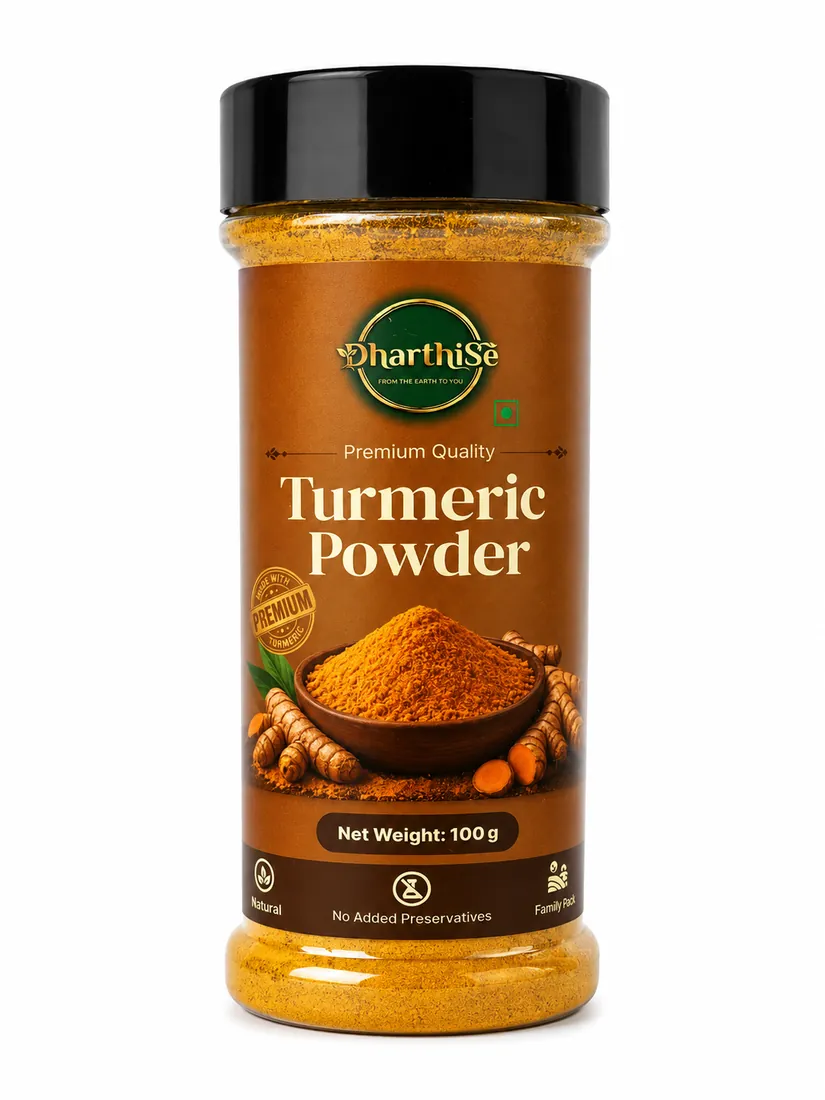
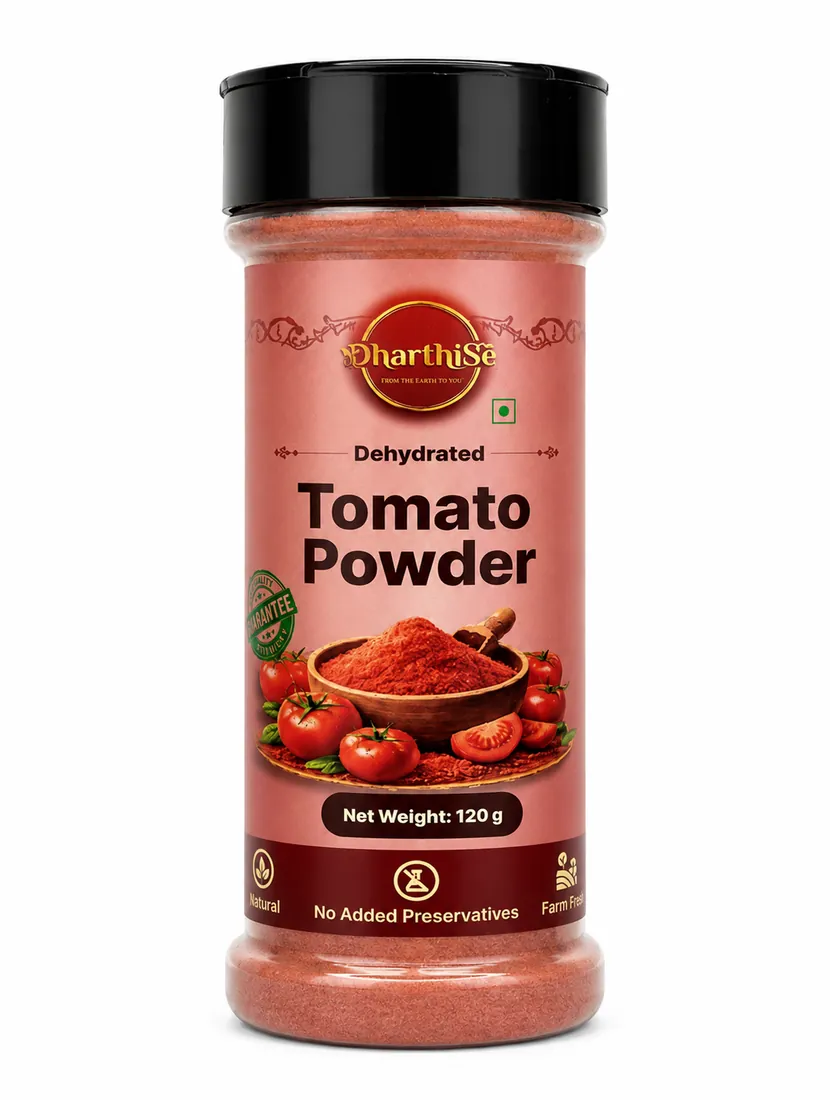
DharthiSe is an India-based maker and bulk/private-label supplier of natural spices and dehydrated vegetable powders, working to recognised standards. We are FSSAI-licensed in India and align our process with the Spices Board of India, APEDA export registration, and the disciplines of ISO 22000 and HACCP, with lab testing covering parameters such as moisture, microbial counts and purity, and a Certificate of Analysis issued per batch.
For a European buyer that means the documentation your compliance depends on: per-batch COAs, spec sheets, and origin and allergen declarations to support the testing and traceability the EU expects of you as the importer. We are deliberately precise about what we do and do not claim — we do not assert any EU or member-state certification or approval on your behalf, and we make no specific EU regulatory guarantee. What we offer is consistent, lab-tested product and the export-ready records that make your side of the EU work credible and straightforward.
Private label deserves a mention too, because Europe is a strong own-brand market. We supply both bulk ingredients for manufacturers and private-label runs for retail brands, each made to your pack and spec and supported by the same per-batch testing. That lets a European buyer begin with bulk supply and grow into a branded line, or launch an own-brand from the start, without changing supplier or losing the documentation trail.
If you are sourcing Indian spices for the European market, the right first step is a sample tested against your requirements. Request documentation and pricing on /for-buyers and /quote, discuss larger or private-label programmes via /for-enterprise, and order evaluation samples at /samples. From the earth to you — held to the standards Europe asks for.