Guide
Best Spices to Buy Online in India: A Buyer's Guide
8 min read
How to judge spices online in India — purity, no added colour, lab-tested COA, sourcing transparency, freshness and fair price — category by category.
Buying spices online has one obvious drawback: you cannot open the jar, smell the haldi or rub a pinch of chilli between your fingers before you pay. The very signals most of us trust at a shop — aroma, colour, feel — are out of reach behind a screen. That makes it surprisingly easy to buy badly, paying premium prices for dull, padded or dyed powder dressed up in nice packaging. This guide is about judging a spice brand without touching the product: the things that genuinely tell you whether what arrives will earn its place in your kitchen.
The six things that actually tell you a spice is good
Strip away the marketing and a trustworthy spice comes down to a short, consistent checklist. Use these six tests on any brand before you buy:
- Purity — the ingredient list should ideally be one word: the spice itself. No fillers, no anti-caking agents, no salt or starch padding out the weight.
- No added colour — natural spices have natural colour. A suspiciously neon-bright turmeric or lipstick-red chilli is a warning sign, not a quality one.
- Lab-tested, with a COA — a Certificate of Analysis per batch is the honest way to prove purity and screen for contaminants. A brand that tests and shows its working is telling you something a glossy label cannot.
- Sourcing transparency — good brands name where a spice is grown and processed rather than hiding behind a generic "premium" claim.
- Freshness — ground spices fade as their oils meet air. Smaller, sensibly sized packs you will finish while fresh beat a giant tub that goes flat halfway through.
- Fair price — the cheapest powder on the page is rarely a bargain; it is often diluted. The goal is honest spice at an honest price, not the lowest number.
Notice that five of these six are about documentation and honesty rather than the spice itself. That is the whole point of buying online well: when you cannot use your nose, you lean on a brand that proves its quality instead of asking you to trust the photo.
What to look for, category by category
Each spice has its own tell. Here is what separates good from ordinary in the categories people buy most:
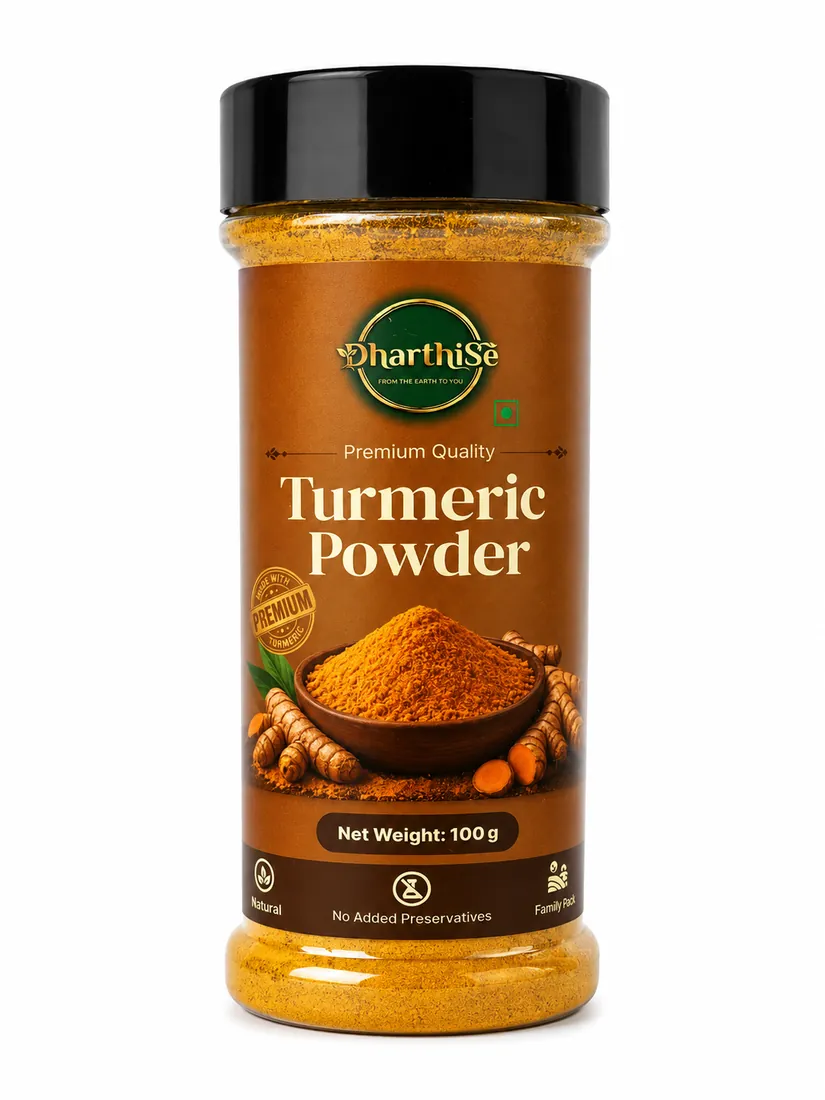
- Turmeric (haldi) — the number that matters, curcumin, is rarely printed. Look for a high-curcumin source such as Lakadong from Meghalaya, a natural golden-orange (not neon) colour, and a COA. Our guide to the best turmeric in India goes deeper at /blog/best-turmeric-in-india.
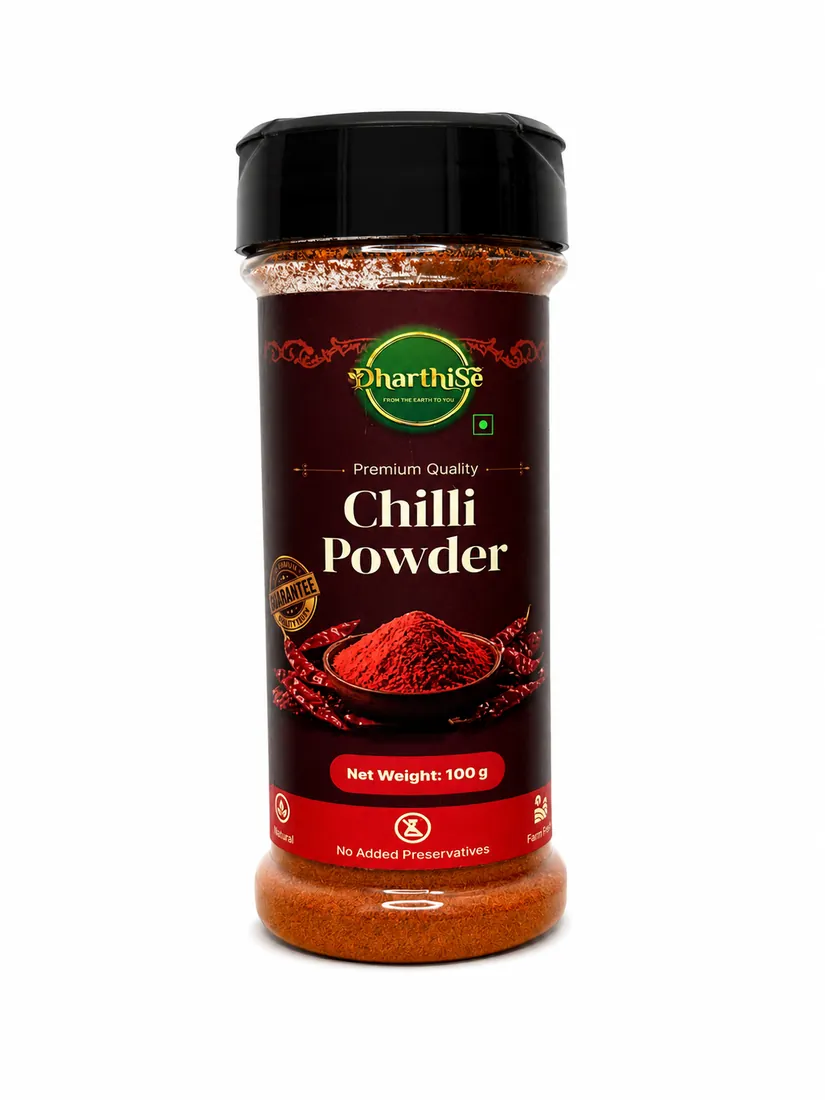
- Red chilli powder — the real choice is heat versus colour. Guntur chilli from Andhra Pradesh brings genuine heat and a clean bright red; deep-red, milder profiles suit gravies. Beware dyed powder faking colour — see /blog/best-red-chilli-powder-in-india.
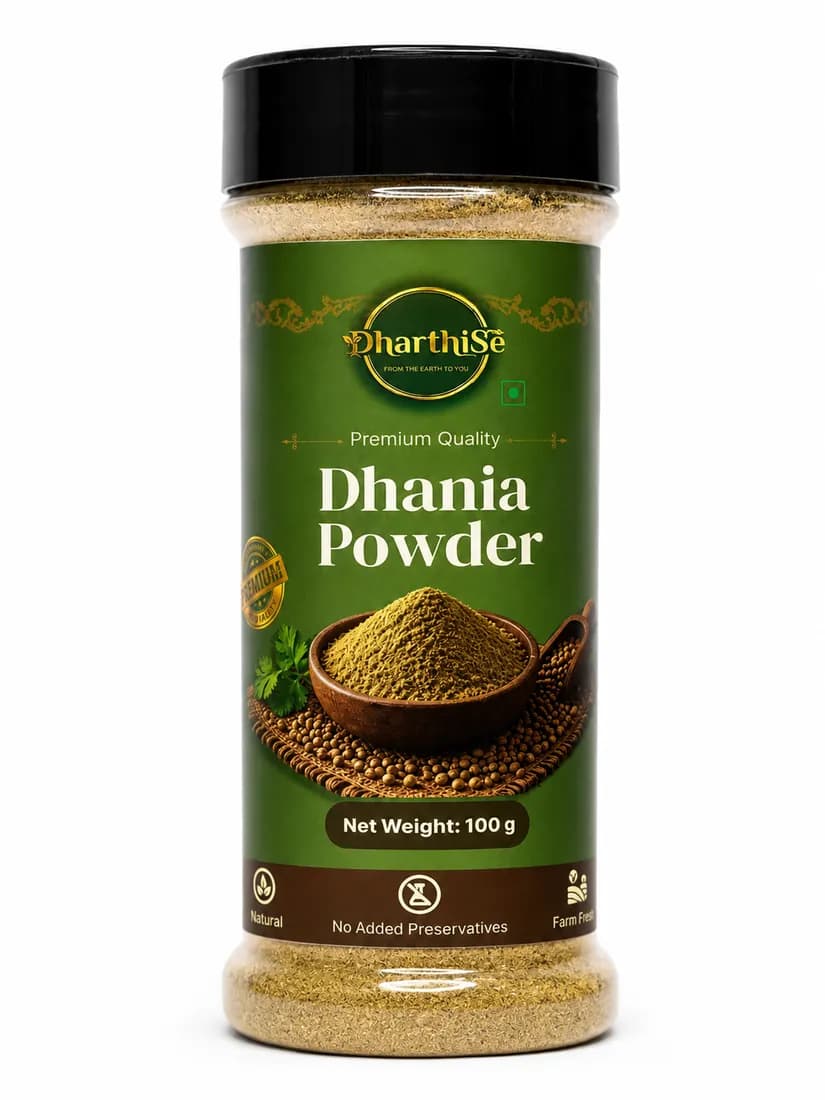
- Coriander (dhaniya) — this one lives and dies by freshness and aroma. A good dhaniya smells bright and citrusy the instant you open it; flat or dusty means stale. Ramganj Mandi in Kota, Rajasthan, is the belt to know.
- Dehydrated vegetable powders — tomato, onion, garlic and ginger should each list only that one vegetable, with natural colour and no fillers. They earn their keep on convenience and zero waste.
- Across everything — check for added colour and fillers, and never trust a deep shade on its own. Why home eyeballing fails is covered at /blog/how-to-spot-adulterated-spices.
Why a COA is your best friend online
When you cannot inspect a spice in person, a Certificate of Analysis does the inspecting for you. A COA is a lab document tied to a specific batch that confirms what is — and is not — in the powder: it can verify the product is genuine, screen for banned dyes and contaminants, and check things like moisture and microbial levels you could never judge by eye.
This is exactly why per-batch testing matters more for online buying than almost anything else. A brand telling you a spice is "100% pure" is making a promise; a brand showing you a COA for the batch in your cart is showing you proof. That difference is the single most reliable filter you can apply when shopping for spices on a screen.
Where DharthiSe fits
DharthiSe is built around that exact checklist. Every spice is 100% natural with no added colour, no fillers and no preservatives, sourced from named growing belts — Lakadong turmeric from Meghalaya, Guntur chilli from Andhra Pradesh, coriander from the Kota belt in Rajasthan — and lab-tested with a COA per batch. You can read the batch-level quality story on our quality page at /quality, and browse the full range at /products.
The point is not to ask you to take our word for it, but to make the honest signals easy to find: clean labels, named sourcing, and documented testing. That is how a brand earns trust when you are buying with your eyes instead of your nose.
The bottom line
Buying spices online is genuinely safer than the shelf — if you know what to look for. Insist on purity, natural colour, a per-batch COA, honest sourcing, sensible freshness and a fair (not rock-bottom) price, and you will skip the dull, padded and dyed jars that fill most carts. Good spice should be provable, not just photogenic. That is the standard we hold ourselves to, from the earth to you.